Instinct says sell in summer: better light for photos, warmer viewings, buyers in a good mood. But the reality of the UK used car market is more nuanced. Both seasons have distinct advantages—and the right answer depends almost entirely on what you're driving, and on where you sit in the UK's twice-a-year number-plate cycle.
10–15%
4×4 winter premium
demand spikes when roads turn icy
5–8%
convertible spring uplift
list from March, not November
2
plate changes a year
March "25" & September "75" reset the market
The Case for Selling in Winter
Research from carwow suggests January and February are among the best months to sell. Fewer sellers list in winter (who wants to photograph a car in the rain?), so well-presented listings stand out. More importantly, winter buyers are motivated—they need a car. The post-Christmas financial reset prompts practical purchases, and you'll spend less time fielding enquiries from casual browsers.
January in particular sees a reliable enquiry surge. New Year resolutions, a fresh annual budget, and the looming 31 January Self Assessment tax deadline all push people to make decisions they put off over Christmas. Self-employed buyers who've just settled their tax bill know exactly what they can spend—so January enquiries tend to convert faster than the tyre-kicking you get in high summer.
Who Wins in Winter
- SUVs and 4x4s: Demand spikes when roads get slippery. Buyers pay a premium for perceived capability and safety in poor conditions.
- Practical family cars and estates: Consistent year-round demand, with a slight winter boost as families think about reliability.
- Diesel long-distance cars: Buyers focused on economical motoring tend to shop during quieter, less emotional months.
The winter window for capable cars is sharp. A four-wheel-drive SUV or a high-riding estate is at its most desirable in October through February, when the first frost, the first flooded lane and the first snow warning remind buyers why they wanted one. List a 4×4 in July and it competes with every soft-roader on the forecourt; list the same car in October and you are selling exactly when demand peaks.
The Case for Selling in Summer
Summer shifts the market from 'need' to 'want'. Buyers are in a better mood, viewings are more pleasant, and certain vehicles become genuinely aspirational. June and August consistently rank among the top months for used car activity.
Who Wins in Summer
- Convertibles and sports cars: Sell in May–August or accept a significantly lower price the rest of the year. The emotional pull of a roof-down drive on a warm evening is a powerful motivator.
- Electric vehicles: EV range is better in warm weather, alleviating range anxiety for first-time buyers. Well-priced EVs in the £10,000–£15,000 bracket perform strongly in summer.
- Campervans and MPVs: Pre-holiday purchasing peaks in late spring as families plan summer trips.
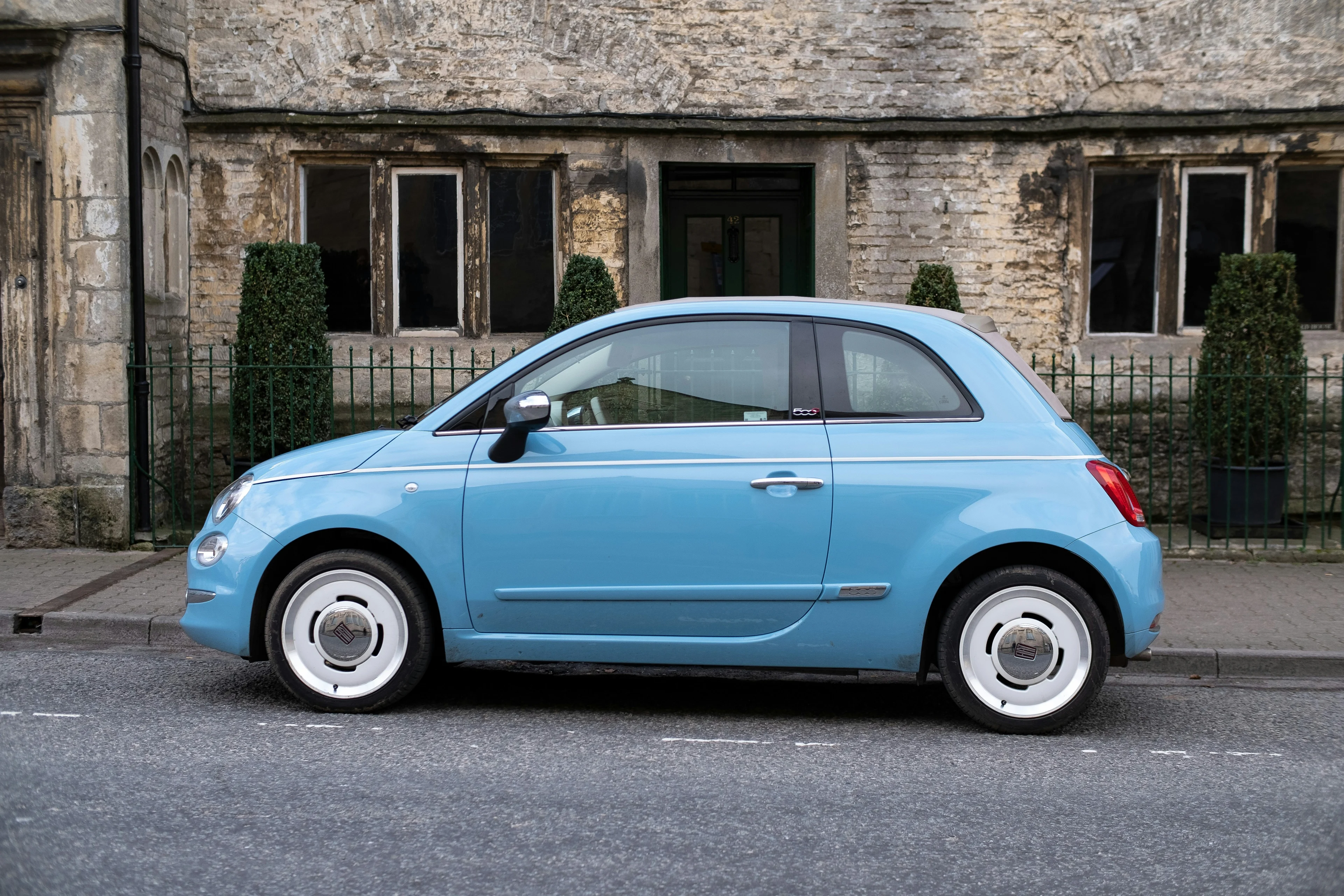
For drop-tops the curve is even steeper than the headline suggests. Demand for convertibles and cabriolets starts building in February as the first mild days arrive and peaks Feb–June, before the school-holiday lull. The smart play is to have your convertible listed in late February or March—ahead of the crowd of sellers who only think to list once the sun is already out and the market is saturated.
Buyers start shopping for a car type before its season arrives, not during it. List a convertible in late February for the spring rush, and a 4×4 in September before the clocks change. Listing into the peak means competing with every other seller who had the same idea — listing just ahead of it means you own the shop window when demand turns on.
The March and September Plate Change Effect
New registration plates release twice a year in the UK: 1 March and 1 September. In 2026 the spring plate is "26" (following March 2025's "25") and the autumn plate is "76" (following September 2025's "75"). These two dates are the single biggest seasonal force on used prices—bigger than the weather.
Here is the mechanism. In the weeks before a plate change, dealers buy used stock to fill forecourts ahead of the rush, and they take in a wave of part-exchanges from buyers upgrading to the new plate. That trade-in flood pushes used supply up and prices down—especially during and just after 1 March and 1 September. So:
- Sell just before the plate change (January–February or July–August): dealers are hungry for stock and private demand is still strong, so part-exchange and private-sale values are at their best.
- Avoid selling during the plate change (March and September): you compete with nearly-new, pre-registered and ex-demo cars at dealerships, and with the part-ex cars flooding the trade.
- The fortnight after a plate change is the worst: the trade is awash with part-ex stock and used values dip before recovering.
| Period | Plate | What’s happening | Effect on private-sale value |
|---|---|---|---|
| Jan–Feb | — | Pre-March stock-up; New Year & tax-deadline enquiry surge | Strong — sell now |
| 1 March | "26" | Spring plate launch; part-ex trade-ins flood the market | Weak — avoid |
| Apr–Jun | — | Market recovers; convertible & EV demand builds | Strong for the right body type |
| Jul–Aug | — | Pre-September stock-up; summer buyer activity high | Strong — sell now |
| 1 September | "76" | Autumn plate launch; second part-ex wave | Weak — avoid |
| Oct–Nov | — | 4×4 / SUV demand peaks before winter | Strong for capable cars |
| December | — | Christmas distraction, tight budgets, fewest buyers | Weakest — prepare, don’t list |
Month-by-Month Demand by Body Type
Seasonality is really a different curve for every body type. A convertible and a 4×4 have almost opposite calendars; a family hatchback barely has a calendar at all. Use this grid to find your car’s window rather than following a single "best month" rule.
| Body type | Spring (Mar–May) | Summer (Jun–Aug) | Autumn (Sep–Nov) | Winter (Dec–Feb) |
|---|---|---|---|---|
| Convertible / cabriolet | Peak | Peak | Falling | Low — wait |
| Sports car | Strong | Peak | Steady | Soft |
| 4×4 / SUV | Steady | Soft | Rising | Peak |
| Estate | Steady | Steady | Firm | Firm |
| Family hatchback | Steady | Steady | Steady | Steady |
| Electric vehicle | Rising | Peak | Steady | Soft (range anxiety) |
| Campervan / MPV | Peak (pre-holiday) | Strong | Falling | Low |
The takeaway: convertibles and sports cars peak in spring and summer; 4×4s, SUVs and estates hold firmer through autumn and winter; and family cars sell steadily all year—so for an everyday hatchback, the cost of waiting for a "perfect" month usually outweighs any seasonal uplift.
How Long Will It Take to Sell?
Season affects not just price but speed. In the busy windows—late spring and high summer for desirable cars, January for practical ones—a sensibly priced car can sell in one to three weeks. In December, or for the wrong body type in the wrong season, the same car can sit for six weeks or more. Time on the market matters: every extra week is more depreciation, another month’s road tax (VED), and a stale listing that buyers start to skip.
UK road tax (VED) can be paid annually or in two 6-monthly instalments, and any full months left when you sell are refunded automatically by the DVLA — but the 6-monthly option costs a 5% surcharge. If your tax is due to renew soon, time the sale before you have to pay again; if you’ve just paid for 12 months, you’ll get the unused months back, so don’t let a tax renewal date alone push you into a bad selling month.
Other Timing Levers Worth Knowing
End-of-month and end-of-quarter dealer targets
If you are part-exchanging or selling to a dealer rather than privately, timing within the month matters. Dealers work to monthly and quarterly sales targets, and the last few days of a month—particularly the end of March, June, September and December quarters—are when a sales manager is most willing to stretch on a part-ex valuation to close a deal.
MOT timing
A car with a long, fresh MOT is far easier to sell. If your MOT is due within a couple of months, getting it done before you list removes a major buyer objection and a haggling lever. It also lets you fix or disclose advisories on your terms. Selling a car with only a few weeks of MOT left invites every buyer to knock money off "just in case."
School-run and family timing
Families with school-age children tend to change cars around the summer holidays and the start of the September term, and to plan campervan or MPV purchases in late spring ahead of holidays. If you are selling a seven-seater or a roomy estate, those windows put your car in front of the most motivated buyers.
Free for 30 days — list now and catch your car’s peak season.
Practical Tips by Season
Selling in Winter
- Schedule viewings at midday on weekends—the best light and mildest temperature.
- Highlight tyre tread depth prominently. Winter buyers are safety-conscious.
- A clean car in winter signals care and attention. Salt on the mats is a red flag.
Selling in Summer
- Offer evening viewings—long summer days mean buyers can come after work.
- Mention working air conditioning in your listing. In a heatwave, it can close a deal.
- Be strict about test drive qualification—summer brings more "let me try it" casual enquiries.
Get listing-ready before peak demand
8 items
How car-spot Makes Every Season Work
You can't control the weather—or the plate-change calendar—but you can control the quality of your listing and how safely you sell. car-spot's tools work year-round to help your car stand out. The AI Description Generator helps you highlight seasonal selling points—whether that's "winter-ready four-wheel drive" or "perfect summer convertible." The AI Photo Classification tool automatically sorts your photos for maximum impact even in challenging light.
And because your personal details are never shown publicly on car-spot, you avoid the nuisance enquiries that tend to spike during busy seasonal periods. Buyers submit their own contact details first—so every conversation starts with a qualified, accountable lead, and you talk through secure in-app messaging rather than handing out your phone number to every browser. Whatever the season, you keep control.
- Your contact details stay private: your number and email are never published — buyers reach you through secure car-spot messaging.
- Buyer accountability: buyers identify themselves before they can contact you, so every January surge or summer rush starts with a real lead, not an anonymous tyre-kicker.
- AI Description Generator: turns your car’s details into a season-aware listing in seconds, naming the selling point that matters this month.
- Free for 30 days: list with no card and no fee, with enough time to ride your car’s peak season. Extend for another 14 days at £6.50 or 30 days at £10.00 only if you need longer.