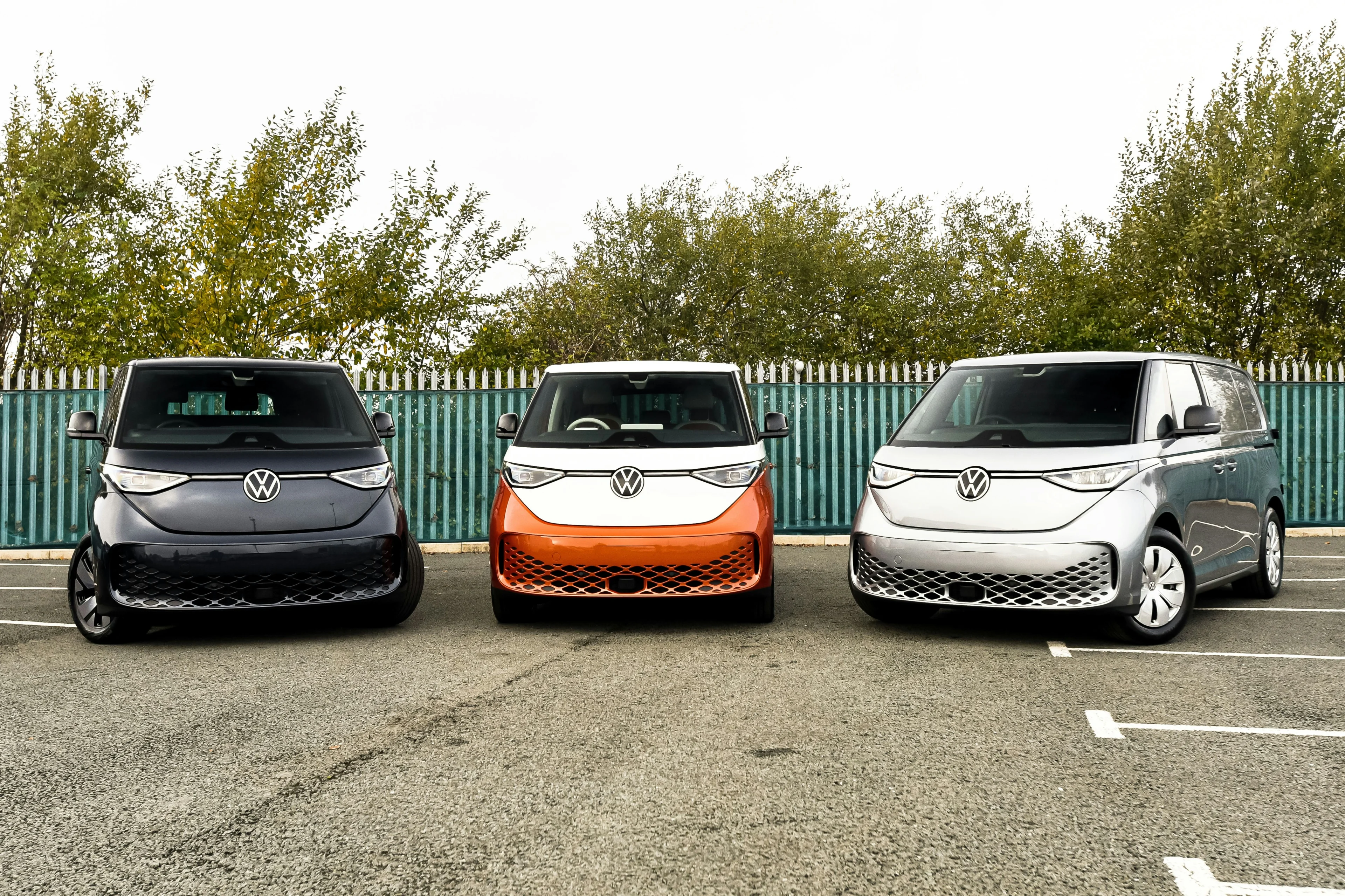
Selling an electric or hybrid car privately feels different from selling a petrol or diesel. The questions are different, the concerns are different, and the buyers are often more technically informed. But once you understand what they're really looking for, you can position your car to sell faster and for more than a dealer would offer.
Battery Health: The Question Every EV Buyer Will Ask
The battery is the most expensive component in an EV and the biggest source of buyer anxiety. According to Geotab, the average EV battery degrades by around 2.3% per year—so a three-year-old car should still have roughly 93–94% of its original capacity. But buyers won't take your word for it.
- Check your State of Health (SOH): Nissan Leaf owners can check via the dashboard's battery health bars. For most other makes, a dedicated OBD2 reader or a specialist diagnostic check will give you the figure.
- Get a battery health report: Including a professional diagnostic report in your listing removes the biggest barrier to purchase. It signals you have nothing to hide.
- Be honest about rapid charging: Frequent use of DC rapid chargers accelerates degradation compared to overnight home charging. If you've mostly used a home wallbox, say so—it's a genuine selling point.
Real-World Range: Be Honest, Build Trust
WLTP figures are useful for comparisons, but experienced buyers know they're optimistic. Give them a realistic picture based on how you actually drove the car. "Expect around 180 miles in summer, closer to 150 in winter on motorways" is far more useful than quoting the manufacturer's headline figure, and it makes you sound credible rather than evasive.
Charging Equipment and Extras
Mention every piece of charging equipment you're including. Are you selling with a Type 2 cable? A granny charger? A home wallbox? These extras have real value and can tip a buyer's decision. A wallbox alone can save a buyer several hundred pounds.
Warranty, Service History, and Paperwork
- Battery warranty: Most manufacturers offer a separate 8-year/100,000-mile warranty on the high-voltage battery. If yours is still active, highlight it prominently—it's one of the strongest reassurances you can offer.
- Service history: Even EVs need regular servicing—brake fluid, cabin air filters, tyre rotations, battery cooling system checks. A full service history matters here just as much as on a combustion car.
- ULEZ and Clean Air Zone exemption: Many pure EVs are exempt from the London Congestion Charge and ULEZ fees. If your car qualifies, say so in your listing—it's a major draw for city buyers.
Why Selling Privately Pays Off for EV Owners
Dealers make conservative offers on EVs to protect themselves against market fluctuations. Private buyers who understand battery health and range anxiety are willing to pay more for a well-documented, genuinely maintained example. You can tell the car's story in a way no dealer handover can. The effort of a private sale is worthwhile—often by thousands of pounds.
How car‑spot Helps You Sell Your EV or Hybrid
EV listings need more detail than most. car‑spot gives you the tools to present that detail clearly and credibly.
- DVLA data auto-populated: Enter your registration and key specs—battery size, motor power, range—are pulled automatically, reducing manual effort and potential errors.
- Feature-to-Photo Highlighting: Link "battery health report included," "charging cable included," or "home wallbox available" directly to photos of those items—turning claims into evidence.
- AI Description Generator: Describe your EV's key strengths and the AI crafts a detailed, honest description that answers the questions buyers actually ask.
- Privacy-first contact: Your phone number and email are never shown. Buyers submit their own details when they're genuinely interested—filtering out casual enquiries.
- Free listings, no pressure: 7 days free, with optional extensions. No need to rush to a dealer's low offer.