Photos are the first thing a buyer notices when opening a vehicle listing. Before reading the title, checking the price, or scanning the specifications — the images form an immediate first impression. Yet many dealerships upload photos in the order they were taken, which is rarely the order that serves buyers best.
The result is listings where the first image might be the rear quarter panel, followed by the boot floor, then the engine bay — leaving buyers struggling to form a coherent picture of the vehicle. In a market where buyers are comparing dozens of listings, confusing photo sequences cause them to move on.
AI-powered image classification is now helping dealers solve this automatically, ensuring every listing presents photos in the optimal sequence without any manual sorting.
How Buyers Actually Browse Vehicle Photos
Understanding buyer behaviour is the starting point for understanding why photo order matters.
Most buyers approach vehicle photos with a mental checklist. They want to build a complete visual understanding of the vehicle systematically — not hunt through randomly ordered images to find the information they need.
The sequence most buyers expect is:
- Front exterior — to identify the vehicle and assess its condition
- Side profile — to evaluate the overall shape and spot any damage
- Rear exterior — to check the rear end and boot
- Interior overview — to assess cabin condition and space
- Dashboard and instruments — to evaluate the infotainment and controls
- Rear seats — for family and passenger comfort assessment
- Key features — to highlight specific equipment like panoramic roofs, premium audio, or parking cameras
- Wheels — to check alloy condition
- Engine bay — for buyers interested in mechanical condition
When photos follow this logical sequence, buyers can move through them quickly and confidently. When they don't, buyers have to work harder — and many don't bother.
What Happens When Photo Order Is Wrong
Disorganised photo sequences create a cascade of negative effects for a listing:
Buyers Leave Faster
If the first image isn't a strong front exterior shot, buyers may not have enough initial context to commit to viewing the full gallery. A confusing opening makes the listing feel unprofessional.
Important Features Get Missed
When photos of premium features — a sunroof, a high-specification audio system, or a beautifully maintained interior — are buried in the middle of random exterior shots, buyers miss them. Features that could have been compelling selling points become invisible.
The Listing Appears Amateur
Buyers judge dealerships by the quality of their listings. Random photo ordering signals that the dealer didn't put much effort into the listing — which raises questions about how carefully they've maintained and presented the vehicle itself.
The Problem with Manual Organisation
Manually reordering vehicle photos is more time-consuming than it sounds. A typical vehicle might be photographed with 20 to 40 images. Reviewing each one, deciding where it belongs in the sequence, and dragging it into position takes several minutes per listing.
For a dealership listing ten new vehicles per week, manual photo organisation adds hours to the listing creation process. And unlike some tasks that can be delegated, getting the photo order right requires someone who understands both the vehicle photography conventions and what buyers are looking for.
In practice, many dealers skip the process entirely and upload photos as they came off the camera.
How AI Image Classification Solves This
Modern AI image classification systems can analyse vehicle photos and automatically identify what each image shows — distinguishing between front exterior, side profile, interior shots, dashboard images, engine bay photos, and feature-specific images.
This classification happens instantly as images are uploaded, and the platform then sorts them automatically into the optimal sequence for buyer presentation.
What AI Can Detect
Effective AI classification systems can identify:
- Vehicle angle — front, rear, side, three-quarter
- Interior vs exterior — distinguishing cabin shots from outside photos
- Specific components — dashboard, centre console, boot, engine bay, wheels
- Feature close-ups — infotainment screens, seat upholstery, panoramic roofs
Once classified, images are automatically sequenced so the strongest exterior shots appear first, interior photos follow in a logical progression, and feature-specific images are grouped meaningfully.
Car Spot's Approach to Photo Organisation
Car Spot's dealer listing platform analyses every uploaded image to determine its perspective and content.
The system automatically sorts images into the optimal display order for each listing. Dealers upload their photos in bulk and the platform handles the organisation — ensuring every listing presents vehicles clearly and professionally from the first image.
Dealers can still review and adjust the image order if needed, but for most listings the AI classification produces the correct sequence without any manual intervention.
Tips for Getting the Most from Vehicle Photography
While AI can sort your photos, the quality of the images themselves still matters. A few principles that consistently improve vehicle listing photography:
- Photograph vehicles outdoors in diffuse natural light — bright midday sun creates harsh shadows
- Clean the vehicle thoroughly before photographing — buyers notice dust and marks
- Use a neutral, uncluttered background where possible
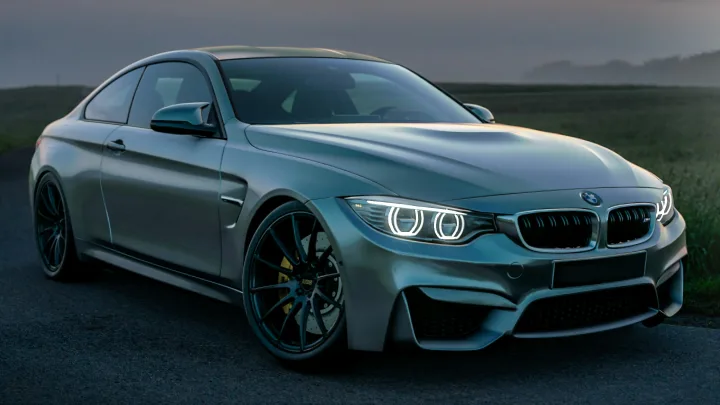
- Take the front three-quarter shot as your primary image — it's the most flattering angle for most vehicles
- Photograph the interior with doors open to show the full cabin
- Include close-ups of any premium or unusual features — these are selling points
- Photograph any minor damage clearly and honestly — hiding it creates problems later
The ideal photo order
6 items
Frequently Asked Questions
Frequently Asked Questions
Conclusion
Vehicle photo order is one of those details that seems minor but has a measurable impact on listing performance. Buyers who can move through a gallery logically and confidently are more likely to stay engaged, ask questions, and make enquiries.
AI image classification removes the manual effort of sorting photos while ensuring every listing meets the standards buyers expect. For dealerships creating multiple listings each week, this automation saves significant time while consistently improving presentation quality.
See how Car Spot handles vehicle photography and image organisation as part of the full dealer listing platform.