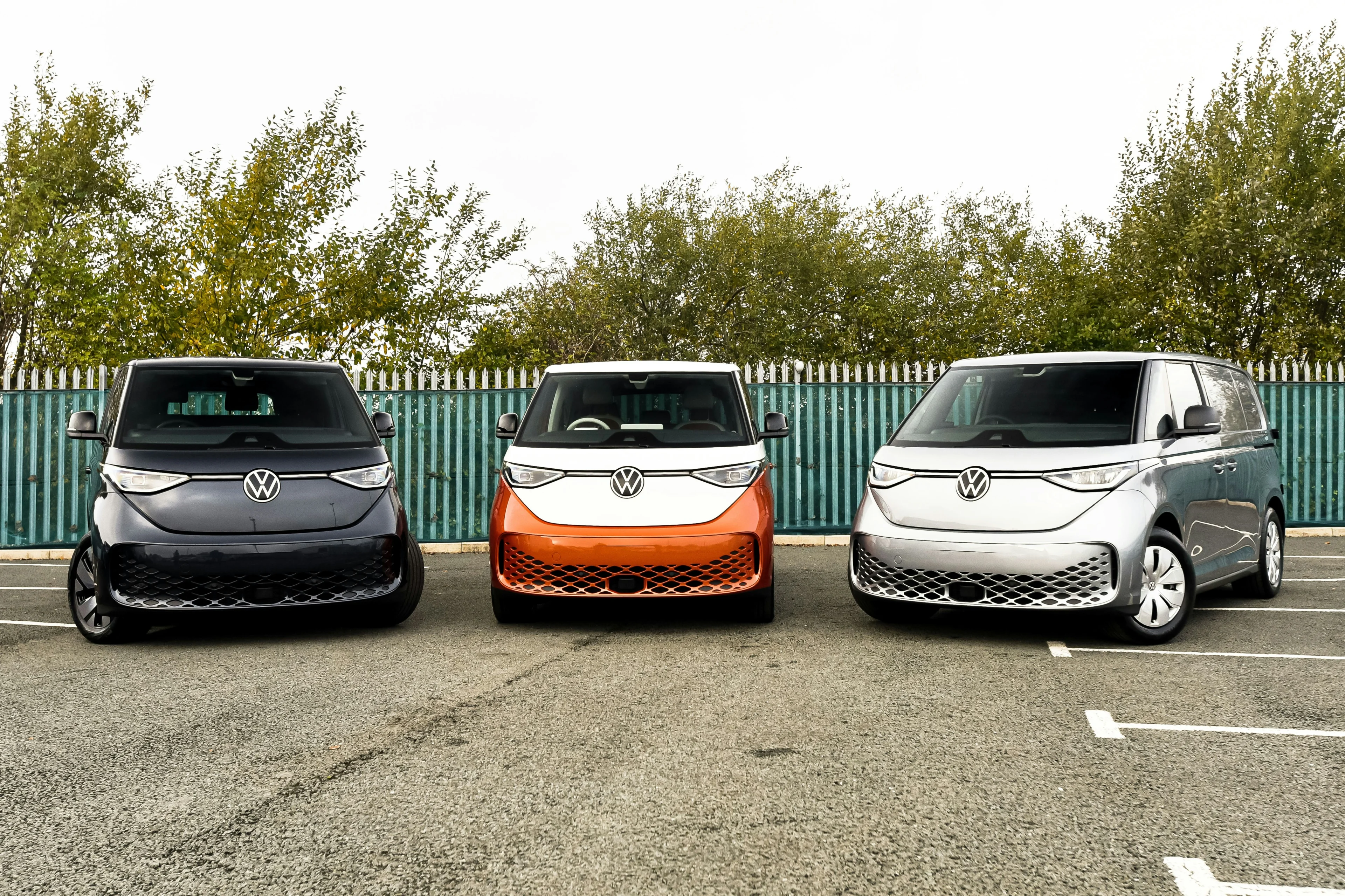
India is in the early phase of what is expected to become one of the world's largest electric vehicle markets. Government policy through the FAME II scheme, combined with state-level subsidies and rapidly expanding charging infrastructure in major cities, is accelerating adoption. Tata Motors has become the dominant EV player in the four-wheeler space, with the Nexon EV and Tiago EV leading sales. MG ZS EV, Hyundai Ioniq 5, BYD Atto 3, and Kia EV6 are growing the premium segment. For dealers, understanding how to sell EVs effectively — and how to present them on Car Spot — is an increasingly important competitive skill.
Understanding the Indian EV Buyer
The typical Indian EV buyer in 2026 is urban, tech-aware, and motivated primarily by fuel cost savings and the lower running cost of electric versus petrol or diesel. They are not early adopters any more — they are practical, value-driven buyers who have seen EVs on the road, know someone who owns one, and are now considering the switch. Range anxiety and charging infrastructure are their primary concerns. A dealer who can address these confidently and concisely will convert more EV enquiries.
What to Include in Your Car Spot EV Listings
EV listings on Car Spot should include specific information that petrol or diesel listings do not require. Indian EV buyers will look for:
- Battery health: For used EVs, include a battery health percentage if available from an OBD diagnostic. Indian buyers are acutely aware of battery degradation concerns.
- Range: State the certified ARAI range and, where possible, a realistic real-world range estimate for mixed urban and highway driving.
- Charging details: Note whether the vehicle includes a home charger, the connector type (AC Type 2, CCS2, or CHAdeMO), and compatibility with public charging networks.
- FAME II or subsidy history: For new or nearly new EVs, note whether the FAME II subsidy was claimed at purchase, as this affects resale value calculations.
- Warranty remaining: Battery warranty is a critical trust factor. State the remaining manufacturer battery warranty period clearly.
Addressing Buyer Concerns About EVs
Train your sales team to answer the three most common EV concerns confidently. First, range anxiety: explain the realistic range for the specific model and how it compares to average daily driving distances in Indian cities (typically 30 to 50 km per day for most urban commuters). Second, charging availability: reference the growing public DC fast-charging network from Tata Power, Charge Zone, and StatiqEV, plus the simplicity of overnight home charging for most daily use. Third, battery longevity: explain manufacturer battery warranties and available battery health checks.
Pricing Used EVs Accurately
Used EV pricing in India is still evolving, and the market is thinner than for ICE vehicles. Research comparable listings on Car Spot, CarDekho, and Cars24. Price used EVs conservatively if battery health data is unavailable — buyers will apply a mental discount for uncertainty. Where you can provide a battery health report, it justifies a higher asking price and significantly reduces buyer hesitation.