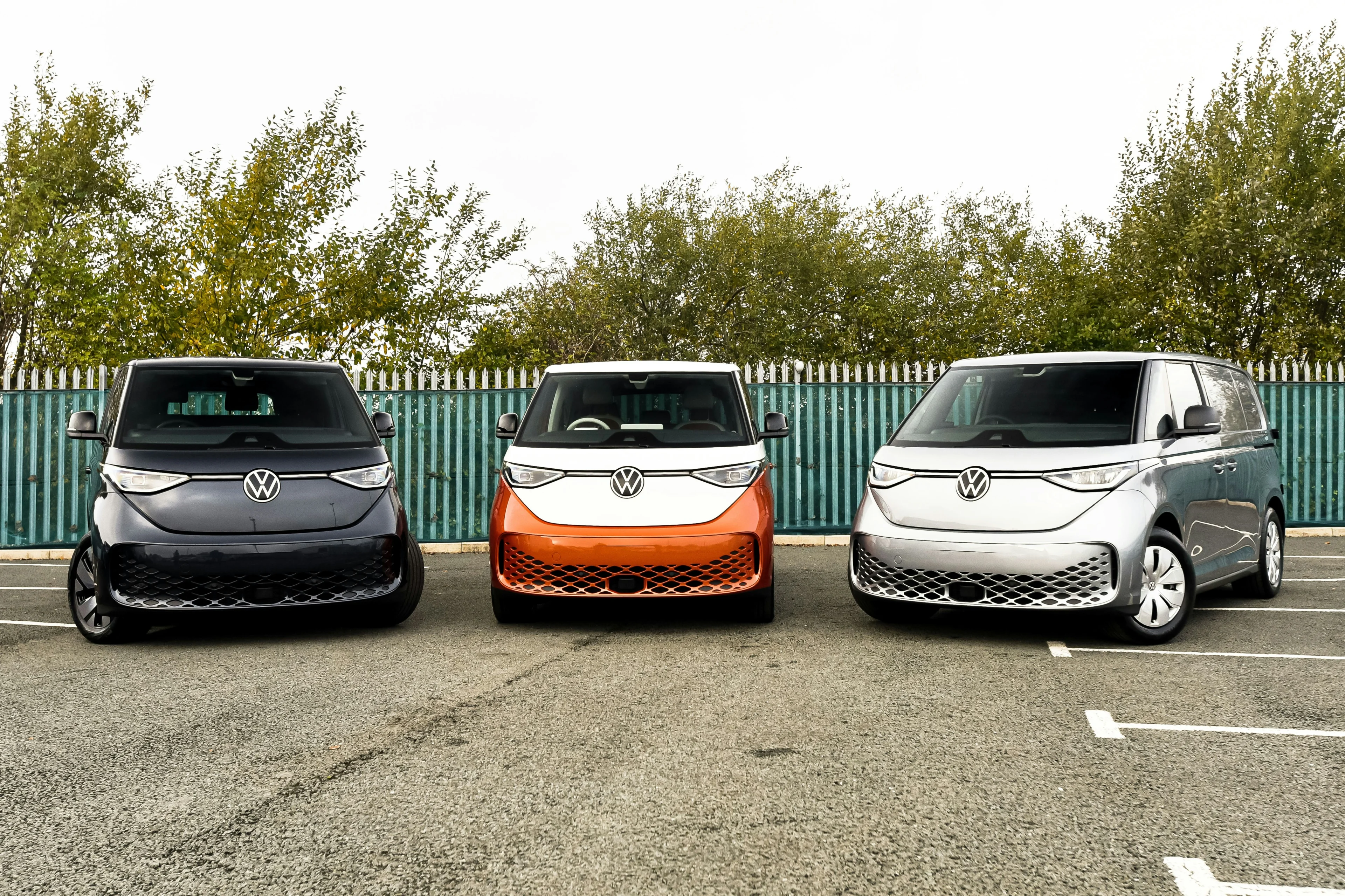
Japan is one of the world's most sophisticated markets for electric and hybrid vehicles. Toyota hybrids have been mainstream for nearly three decades, and Japan's government CEV (Clean Energy Vehicle) subsidy programme continues to accelerate pure EV adoption. For dealers, this creates an enormous opportunity — but selling EVs and hybrids requires different knowledge, different listing strategies, and different buyer conversations than conventional used cars. This guide covers how to sell EVs and hybrids effectively in Japan, and how Car Spot can help you reach the growing pool of EV-interested buyers.
Japan's EV and Hybrid Market for Dealers
Toyota hybrids — Prius, Aqua, Corolla Hybrid, RAV4 Hybrid — dominate Japan's used car market and represent the most accessible entry point for dealers entering the EV/hybrid segment. These vehicles are well-understood by buyers, have strong resale values, and have proven reliability records. Fully electric vehicles (Nissan Leaf, Ariya, Toyota bZ4X, imported Tesla models) are a smaller but rapidly growing segment, supported by Japan's CEV subsidy programme which reduces the cost of new EVs — in turn stimulating demand for used EVs as the new vehicle supply grows.
Creating EV-Optimised Listings on Car Spot
EV and hybrid listings on Car Spot require additional detail beyond standard petrol or diesel vehicle listings. For every EV or hybrid you list on Car Spot, include:
- Battery health report: For pure EVs (especially Nissan Leaf), include a battery state-of-health (SoH) report. Buyers are highly sensitive to battery degradation — a Leaf with 80% SoH is worth substantially less than one at 95%+.
- Real-world range: Quote an honest real-world range figure based on the battery's current health, not the WLTC specification for a new vehicle.
- Charging capability: Note whether the vehicle supports CHAdeMO (standard in Japan), AC charging, or both. Include the onboard charger capacity.
- Shaken validity: As with all vehicles in Japan, include remaining Shaken months. EV Shaken has specific requirements — note if it has been recently completed.
- CEV subsidy eligibility: If applicable, note whether the vehicle model is eligible for any remaining CEV subsidy for the buyer.
Handling Common EV Buyer Objections in Japan
Japanese EV buyers commonly raise objections that your Car Spot listing and sales team should be prepared to address. The most frequent concerns are battery degradation (especially for older Leaf models), charging infrastructure outside major cities, Shaken costs for EV-specific components, and resale value uncertainty. Prepare factual, reassuring responses for each — and consider including a FAQ section in your Car Spot listing description to address these proactively.
Government CEV Subsidies and What They Mean for Dealers
Japan's CEV subsidy programme primarily benefits new vehicle buyers, but it has downstream effects on the used car market. As more subsidised new EVs enter the market and are eventually traded in, used EV supply increases and prices become more accessible. Stay current on Japan's Ministry of the Environment and Ministry of Economy, Trade and Industry (METI) subsidy announcements — buyers who are subsidy-aware will ask about them, and a knowledgeable dealer response builds confidence and trust.