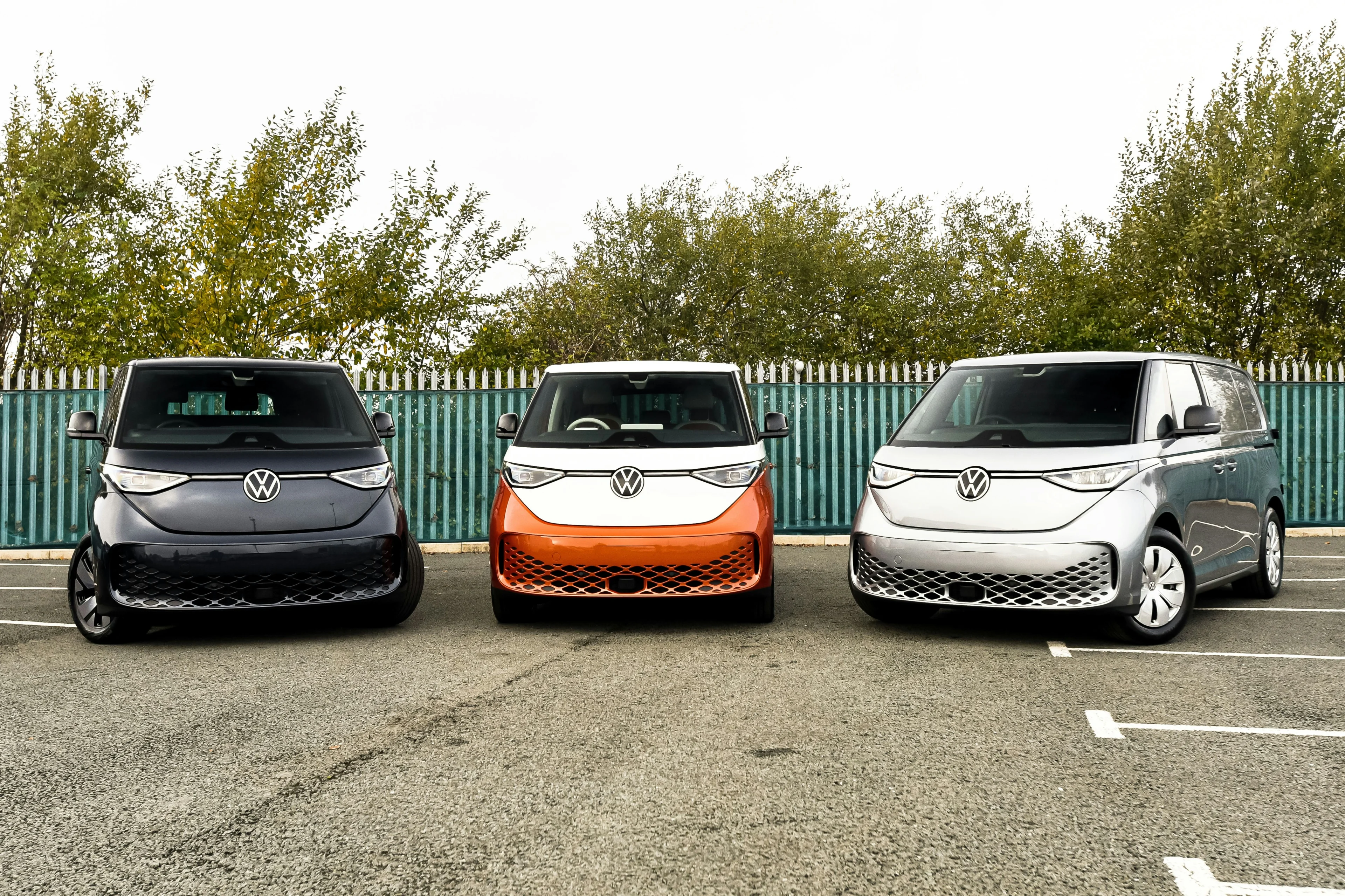
Norge er ulikt ethvert annet bilmarked i verden. Med elbiler som utgjør over 90 % av nye bilregistreringer de siste årene, utgjør brukte elbiler nå en enorm og voksende andel av det norske forhandlermarkedet. Kjøpere i Norge er svært elbilkyndige — de vet hva batterihelse betyr, de forstår ladestandarder, og de vil stille detaljerte tekniske spørsmål før de forplikter seg. Forhandlere som lister elbilbeholdning på Car Spot med fullstendig, transparent og kjøperfokusert informasjon vil konvertere betydelig flere henvendelser enn de som behandler elbiler som en hvilken som helst annen bruktbil.

Hva norske elbilkjøpere trenger å se i annonsen din
Norske elbilkjøpere er blant de mest informerte forbrukerne i verden. De vil sjekke EU-kontroll-historikken på vegvesen.no, undersøke batterikjemien til modellen de vurderer, og spørre om virkelig vinterrekkevidde før de besøker en forhandler. Car Spot-annonsen din må proaktivt adressere kjernespørsmålene deres — ellers vil de gå videre til en konkurrerende annonse som gjør det.
- Batterihelseprosent: Skaff en batterihelsediagnostikk fra et kvalifisert verksted før annonsering. Et dokumentert batteri på 92 % kapasitet er langt mer betryggende enn en vag påstand om “god tilstand”.
- Realistisk rekkeviddeanslag: Oppgi WLTP-rekkevidden og angi om mulig realistisk vinterrekkevidde — norske kjøpere vet at lave temperaturer reduserer elbilrekkevidden, og ærlighet her bygger tillit.
- Ladestandard og hastighet: Oppgi om kjøretøyet støtter CCS, CHAdeMO eller Type 2, og maksimal AC- og DC-ladehastighet i kW.
- Varmepumpe: Tilstedeværelse eller fravær av varmepumpe er en betydelig faktor for vinterrekkevidde. Oppgi dette alltid eksplisitt.
- Ladekabel inkludert: List opp hvilke kabler som følger med — Mode 2, Mode 3, og om en CCS-kabel er inkludert.
- Programvareversjon og oppdateringshistorikk: For kjøretøy med trådløse oppdateringer, angi gjeldende programvareversjon.
- EU-kontroll-historikk: Inkluder datoer og kilometeravlesninger fra EU-kontroller — dette er standard praksis for alle norske bruktbilsalg.
Prising av brukte elbiler i det norske markedet
Prissetting av brukte elbiler i Norge påvirkes av batterihelse, gjenværende garanti (hvis aktuelt), modellpopularitet og tilgjengeligheten av nye tilsvarende modeller. Kjøpere kryssrefererer priser på Finn.no og Nettbil.no grundig. Car Spot gir markedskontekst når du setter en pris, noe som hjelper deg å forstå hvordan prisforlangende i NOK sammenlignes med lignende kjøretøy som er tilgjengelige nå. Kjøretøy med dokumentert høy batterihelse (over 90 %) har en meningsfull premie og det er verdt å investere i en batteridiagnostikk før annonsering.
Car Spot gir norske elbilforhandlere verktøyene til å lage overbevisende, datarike elbilannonser som besvarer kjøperspørsmål før de stilles. Bli med på Car Spot og vis elbilbeholdningen din for Norges mest aktive bilkjøpere i dag.
List elbilbeholdningen din på Car SpotSvare på elbilspørsmål i innboksen din
Elbilhenvendelser gjennom Car Spot har en tendens til å være mer detaljerte og tekniske enn henvendelser for biler med forbrenningsmotor. Kjøpere kan spørre om spesifikke ladescenarier, programvareoppdateringshistorikk, eller om kjøretøyet hovedsakelig ble brukt til langdistanse motorveikjøring (som er hardere for batteriet enn bykjøring). Forbered salgsteamet ditt med trygge, faktabaserte svar på de vanligste spørsmålene. En kjøper som mottar et kunnskapsrikt, transparent svar gjennom Car Spots meldingssystem er langt mer sannsynlig å bestille en visning enn en som mottar et vagt svar.
Kjøpsloven og dine forpliktelser som norsk elbilforhandler
Under den norske kjøpsloven og forbrukerkjøpsloven har forhandlere som selger til forbrukere juridiske forpliktelser angående nøyaktigheten av kjøretøybeskrivelser og opplysning om kjente feil. For elbiler betyr dette at hvis du er kjent med batteridegradation utover normal aldring, må du opplyse om det. Å villede en kjøper om batterikapasitet kan utsette deg for krav under forbrukervernloven. Beste praksis — og beste forretningspraksis — er alltid å opplyse nøyaktig og transparent.