The Philippines is entering a significant transition in its vehicle fleet. The Electric Vehicle Industry Development Act (EVIDA), signed into law in 2022, provides government incentives for EV adoption — including tax exemptions and charging infrastructure investment targets from the Department of Energy (DOE). Charging networks are expanding in Metro Manila and major urban centres, and EV sales are growing steadily. For independent auto repair shops, the question is not whether to prepare for electric car servicing — it's when. The shops that invest in EV capability now will be well-positioned to capture a growing and loyal customer base.
What EV Servicing Actually Involves
There is a common misconception that electric cars require almost no servicing. While it is true that EVs don't need oil changes or timing belt replacements, they still require regular attention. Brakes, tyres, suspension, air conditioning, battery thermal management coolant systems, and cabin air filters all need servicing on a schedule. For hybrid vehicles, the picture is broader — you are servicing both an electric drivetrain and a conventional petrol engine.
- Tyre wear and rotation (EVs are heavier and wear tyres faster)
- Brake fluid replacement (EVs still use hydraulic brakes alongside regenerative braking)
- Air conditioning service and recharge (critical in the Philippines' tropical climate year-round)
- Coolant system checks for high-voltage battery thermal management
- Cabin air filter replacement
- High-voltage battery health check and range assessment
- Software updates and diagnostic scanning (EV-specific tools required)
- For hybrids: full traditional service items plus hybrid-specific checks
The Training Investment: What You Need
Working on high-voltage vehicle systems — the battery, inverter, and electric motor — requires specialist training. This is non-negotiable from a safety standpoint. In the Philippines, TESDA (Technical Education and Skills Development Authority) and various industry training providers are increasingly offering EV and hybrid vehicle servicing courses. For most independent shops starting out, getting at least one technician qualified in high-voltage safety and EV routine maintenance provides the foundation needed to handle most customer needs safely.
- EV Awareness: Essential for all shop staff who might encounter an EV, even if they're not working on it directly.
- EV Routine Maintenance: Covers safe working practices for non-high-voltage tasks — tyres, brakes, cabin filters on EVs.
- EV Inspection and Diagnostics: The key qualification for shops wanting to offer full EV servicing, including diagnostic work.
- High-Voltage Systems: For advanced battery and drivetrain work, relevant for specialist EV workshops.
Equipment: What You Need to Add
Beyond training, there are equipment investments to consider. The good news is that you don't need to overhaul your entire workshop — many EV-specific tools are incremental additions to what you already have.
- EV-compatible diagnostics: Your current diagnostics scanner may already cover popular EV models via software update — check with your supplier.
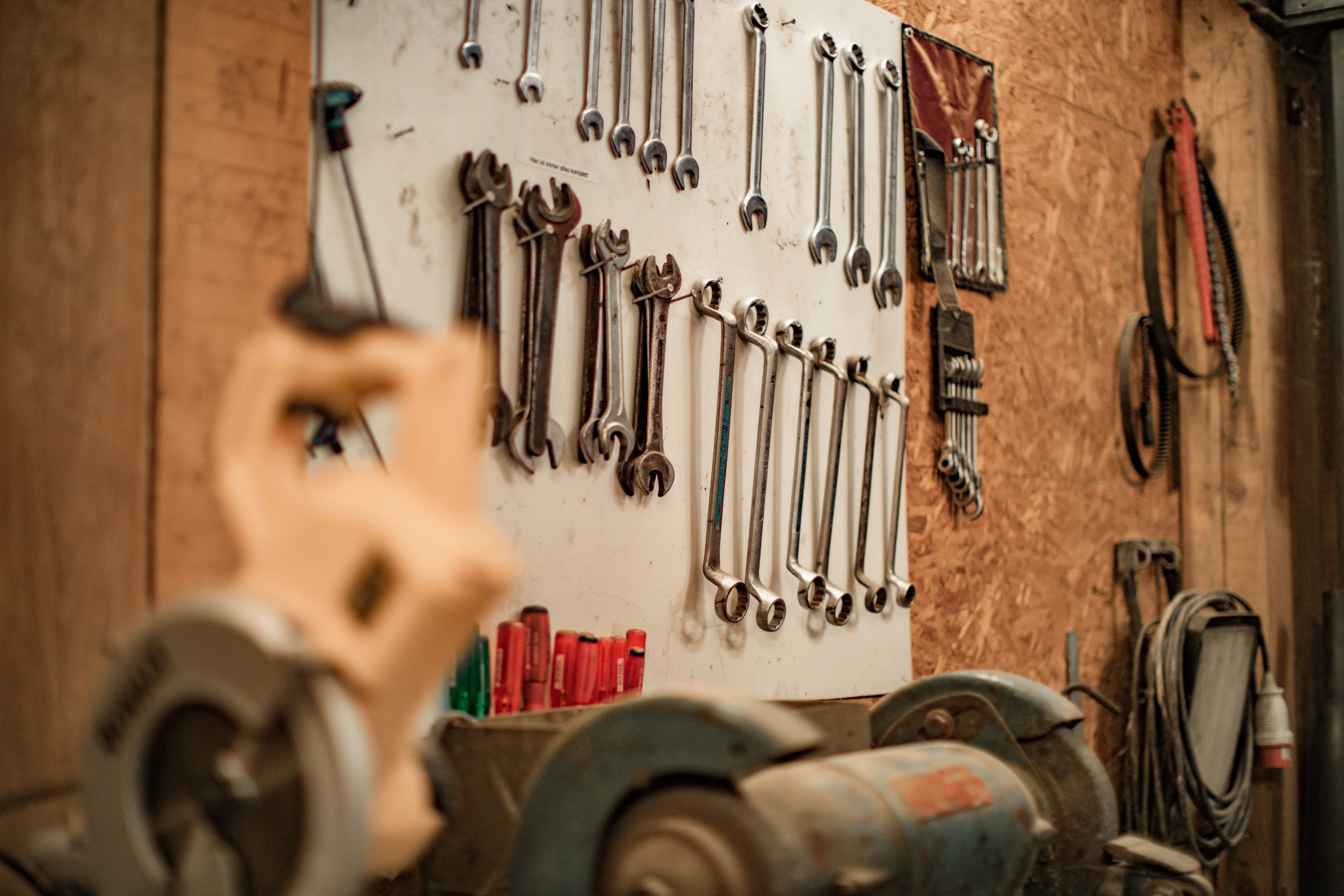
- Insulated tools: A set of 1000V-rated insulated hand tools is required for any work near high-voltage components.
- HV safety equipment: Insulating gloves, face shield, and a documented high-voltage isolation procedure.
- Battery support stand: Useful for battery removal and inspection on some models.
- EV tyre equipment: Many EV tyres have foam noise inserts — ensure your tyre equipment can handle them.
EVIDA and Philippine EV Incentives: Context for Your Customers
The Electric Vehicle Industry Development Act (EVIDA) provides a range of incentives for EV buyers in the Philippines, including exemptions from road user taxes and priority lane access for EV plates in some areas. The DOE has set targets for EV adoption and charging infrastructure rollout. These incentives are driving more Filipino drivers to consider EVs — and those new EV owners will need a trusted, competent shop to service their vehicles.
Hybrid Cars: The Practical Starting Point for Most Shops
If a full EV capability feels like a big jump, start with hybrid servicing. Toyota hybrids — the Corolla Cross Hybrid, Innova Zenix Hybrid, and various Lexus models — are among the most popular vehicles in the Philippine market. Basic EV routine maintenance training is sufficient for most hybrid maintenance tasks, and these vehicles represent an immediate, growing market for prepared shops.
Update your Car Spot profile to explicitly list your EV and hybrid services. Use clear language: 'hybrid servicing', 'battery health check', 'EV diagnostics'. Car Spot's Services dashboard lets you add and categorise your services so they appear in searches from EV and hybrid owners in your area.