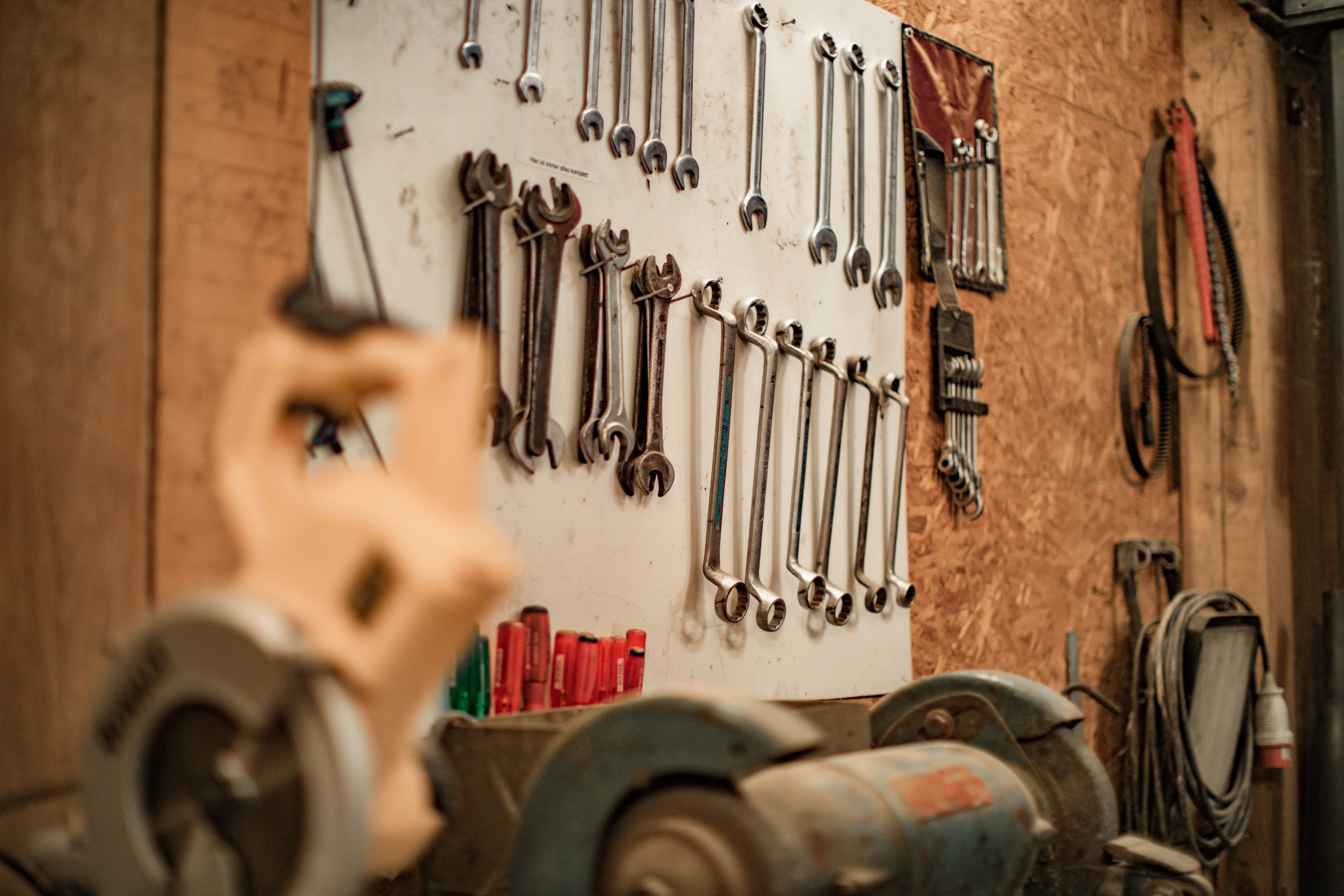
Walk into any independent Philippines garage on a quiet Tuesday and you'll hear the same story. The ramp is empty, the diary has gaps, and someone is being told to "just post more on Facebook." A week later they've uploaded a tidy photo of a brake job, captioned it "another satisfied customer," and watched it reach forty people — twenty-five of whom were family, friends and other mechanics. The ramp is still empty. This guide explains why Facebook or Instagram on their own rarely fill an independent garage's ramp in the Philippines, and what actually moves the needle on MVIR bookings and repair work.
The "Free" Trap: Why Social Media Feels Like the Answer for an Empty Ramp
When the ramp is empty, paid advertising feels risky. Spending ₱3,000 on Google Ads to fix a problem you can't see feels worse than spending zero pesos on a Facebook post you can. That's loss aversion at work — the well-documented behavioural bias where the pain of losing ₱3,000 outweighs the joy of earning a ₱5,000 service from it.
So most independent garage owners default to "free" social media. The catch is that posting on Facebook isn't free at all. An hour of your time at a typical Philippines labour rate of ₱500–1,500 an hour costs more than a day of well-targeted Google Ads. The cost is just hidden because it doesn't arrive on an invoice. For a busy mechanic, the "free" trap is the most expensive marketing decision in the garage.
The Hard Truth: Organic Reach on Meta Is Effectively Dead for Garages
Meta's feed algorithm has, for years now, been deliberately tuned to favour posts from friends and family over posts from business pages. That's public policy from Meta itself, dating back to the 2018 News Feed change and reinforced repeatedly since. The practical result for a small Philippines garage page with a few hundred followers is brutal: organic reach typically lands well under 5% of the people who liked the page in the first place.
Run the numbers. If your garage page has 600 likes — respectable for an independent — a typical organic post might be shown to 20–40 people. Of those, almost none are searching for a garage today. Almost none live within ten minutes of your location. And the algorithm rewards engagement, not intent — so even a brilliant post about engine repair competes with a friend's party photos and almost always loses. Instagram is no kinder; without paid promotion, business reach on a local account is usually worse, not better.
Now, there's one important caveat for the Philippines context: Facebook is the dominant platform here, and many customers do send initial messages on Messenger. That's real. But sending a Messenger inquiry is different from discovering your garage in the first place — those initial messages almost always come from people who already found you through Google, a referral, or a directory. Facebook doesn't replace discovery; it sometimes facilitates the final inquiry step for people who already found you elsewhere.
None of this means social media is worthless. It means it almost never converts a stranger into a booked MVIR slot. That's a different job, done by a different channel.
The Empty Ramp Maths: Time vs. Leads for Philippines Garages
Put the maths on a napkin. Annual MVIR vehicle inspection at an LTO-accredited centre runs roughly ₱500–1,000. One inspection booking a week from new search traffic is ₱26,000–52,000 a year in inspection fees alone — and that's before the advisory work, follow-on services and repeat custom that comes with it. Most garages estimate the lifetime value of a new Philippines customer at four to ten times the first inspection.
Now compare that with what social media typically returns. A garage owner posting twice a week, replying to comments and putting together the odd video can easily burn five to ten hours a month. At a workshop labour rate of ₱500–1,500 an hour, that's ₱2,500–15,000 of opportunity cost every month — quietly, and never on an invoice. If those hours produce one or two inquiries from people who weren't already customers, the channel is losing money. For most independent garages we see, that's exactly what happens.
What Actually Fills Ramps (and Doesn't Rely on Algorithms)
Independent garage marketing in 2026 is dominated by three channels that don't depend on a feed algorithm liking you. None of them are glamorous, and all of them outperform organic social for garage customer acquisition in the Philippines.
Google Business Profile and the local pack
When a driver searches "vehicle inspection near me", "car repair Quezon City" or "brake replacement Cebu", Google shows three map results above the organic listings. That's the local pack, and it collects the overwhelming majority of clicks for "near me" queries. A complete, well-reviewed Google Business Profile — correct opening hours, real photos, a full services list, recent reviews — is the single highest-leverage piece of garage marketing you can do, and it's free. If your profile is half-finished, you're invisible to the drivers actively searching for you right now.
Local SEO for "vehicle inspection" and "car repair" intent searches
Local SEO is slower than ads but compounds. A simple page targeting "vehicle inspection
A referral system that doesn't rely on memory
Referrals consistently produce the lowest customer acquisition cost in independent garage benchmarking. The mistake most independent garages make is leaving them to chance. A simple Viber or SMS message to past customers six weeks before their MVIR due date — ideally automated, not manual — turns a one-time visit into a yearly habit. A printed card asking happy customers to leave a Google review, handed over with the keys, does more for your local pack ranking than a month of Instagram reels.
A Car Spot garage profile gives you a fast, mobile-first listing matched to drivers searching by city, an inquiry inbox, appointment scheduling, automated service reminders and a service checklist that surfaces you for the right repair work. Many Philippines garages start here, sort their Google Business Profile, then decide whether they need social at all.
Set up your garage on Car SpotThe Hybrid Model: Use Social Media After the Ramp Is Full
Some garages do win on social, and it's only fair to say so. They tend to be the ones treating it like a full-time job, not a quick fix — usually a younger family member or a paid agency producing weekly video content with a clear hook. For everyone else, social is a retention channel, not an acquisition one.
Used that way, it's genuinely useful. Existing customers who already follow your page see seasonal reminders (MVIR reminders before registration renewal, air-con regas before summer, wet-season tyre checks). They see the occasional behind-the-scenes photo that builds trust. They see your reviews quoted back. None of that fills an empty ramp, but it does keep an already-full one fuller for longer. The order matters: get Google Business Profile and a Car Spot listing producing bookings first, then use Facebook and Instagram to keep those customers coming back.
Actionable Checklist: Fill Your Empty Ramp in the Next 7 Days
None of this needs a marketing budget. Work through the list below in order — most of it is one evening's work, and all of it outperforms another week of Facebook posts.
- Claim and complete your Google Business Profile. Verify the listing, add real photos of the garage and team, list every service you offer, and set accurate opening hours including public holidays.
- Ask your last ten happy customers for a Google review. A short Viber or SMS with the direct review link works better than a verbal ask — aim for five new reviews this week.
- List your garage on Car Spot. Tick every relevant service on the checklist so city searches surface you, and turn on appointment scheduling so drivers can book without phoning.
- Write one local landing page. "Vehicle inspection in
" with your price, your address, your phone number and a Google Map embed. One page beats ten generic ones. - Set up a vehicle inspection reminder system. Either through Car Spot's service reminders or a simple SMS tool, automate a message six weeks before each customer's MVIR due date.
- Match your NAP everywhere. Name, Address, Phone — identical on your Google profile, Car Spot listing, Facebook page and any directory entries. Mismatches kill local rankings.
- Stop posting daily on social. Cut to once a week, repurpose photos you're already taking on jobs, and reinvest the saved hours in the steps above.
The Honest Bottom Line on Garage Social Media Strategy in the Philippines
Independent garages are not failing because they're bad at Instagram. They're failing to be found at the moment a driver types "vehicle inspection near me" into Google at half past eight in the morning. Facebook and Instagram aren't broken — they're just the wrong tool for that specific job. Fix discovery first with Google Business Profile, a Car Spot listing and a sensible local landing page. Use social media to keep the customers you've already won. Do those two things in that order and the ramp stops being empty.