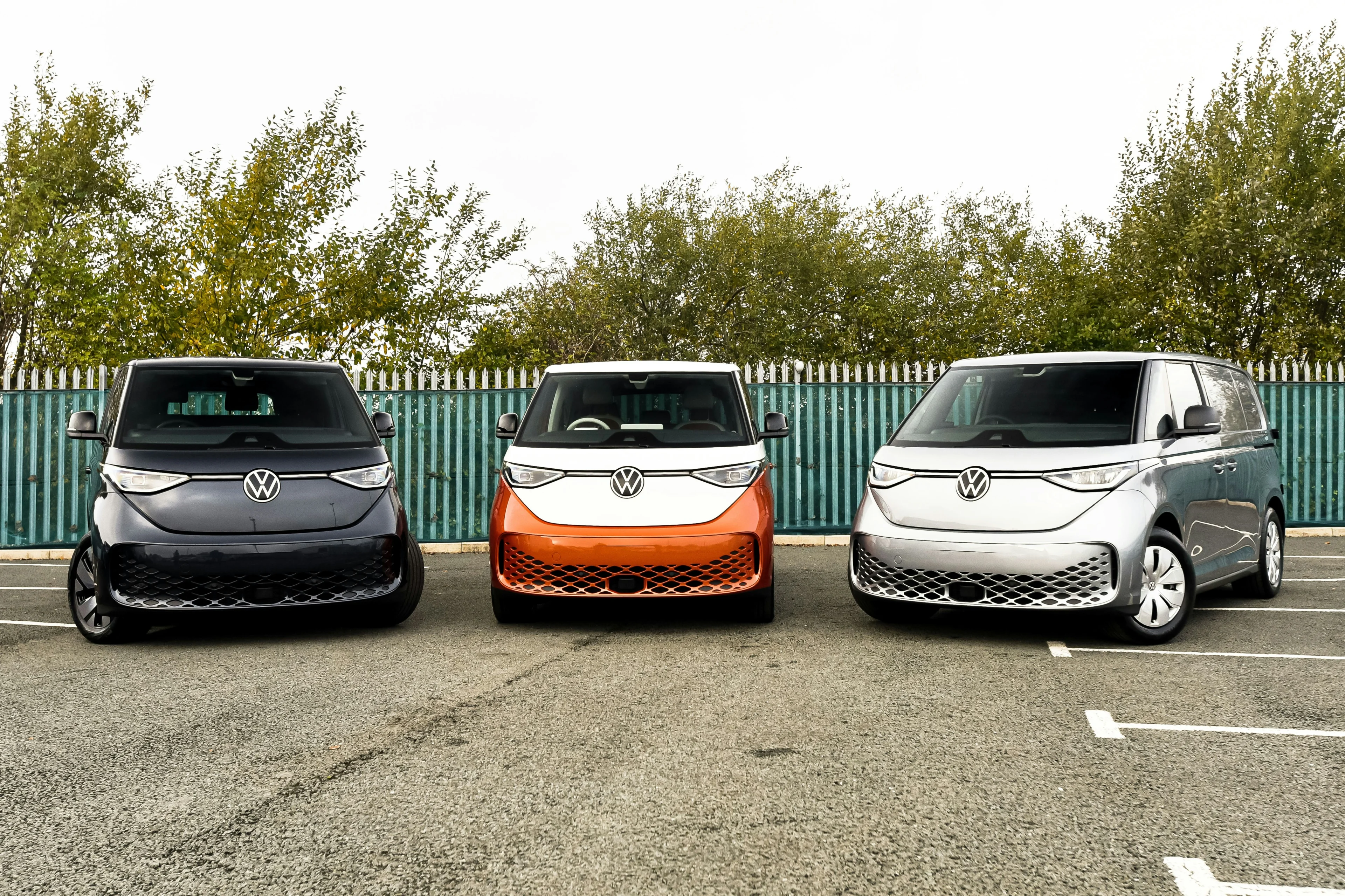
Electric and hybrid vehicle sales in Singapore are growing steadily, supported by the LTA's EV Early Adoption Incentive (EEAI), the expansion of public charging infrastructure through Shell Recharge and SP Group's EV charging network, and the government's goal to phase out internal combustion engine vehicles by 2040. For dealers, this represents a significant opportunity—but it also requires a different approach to listing and selling. EV buyers research more thoroughly than traditional buyers, they ask different questions, and they have specific information needs that a generic listing template simply does not address.
This guide covers everything Singapore car dealers need to know about listing and selling electric and hybrid vehicles effectively—from the data fields buyers expect to see through to handling common objections about charging infrastructure. We also explain how Car Spot's dedicated EV listing fields make it easier to present this information clearly.
Why Electric Car Buyers Are Different
Buyers considering an electric or hybrid vehicle are, on average, more research-led than buyers of traditional petrol or diesel cars. They have typically already compared models extensively online and arrive at a listing with a specific set of questions. If those questions are not answered by the listing itself, conversion rates drop sharply.
The core questions EV buyers need answered before making an enquiry are:
- What is the real-world driving range?
- How large is the battery (kWh)?
- How long does it take to charge from 0–80% and 0–100%?
- What charge speeds does it support (AC/DC, max kW)?
- Is the battery under warranty or has it been health-checked?
- What is the COE expiry date and remaining tenure?
- Has the EV Early Adoption Incentive (EEAI) rebate already been applied?
The EV Data Fields That Drive Enquiries
Standard listing templates were designed for petrol vehicles. They were not built to accommodate the specific data points that electric car buyers need. This is why so many dealer EV listings underperform—buyers are being asked to enquire before they have the basic information they need to decide whether the vehicle is suitable.
Car Spot includes dedicated EV listing fields so that dealers can populate exactly the information buyers are looking for. These fields are prominently displayed on EV listings, making the buying decision significantly easier.
How to Present Range Accurately
In Singapore's urban environment, real-world driving range for most drivers is well within the capability of most modern EVs. However, range anxiety remains a psychological barrier. Be transparent and specific. Always quote the official WLTP or manufacturer range figure and, where possible, include an honest note about real-world range based on the vehicle's usage history.
- State the official WLTP range figure clearly
- Note whether the vehicle has primarily done city or expressway driving (this affects battery efficiency)
- If you have access to battery health data, include the current state of health percentage
- Avoid vague claims like "excellent range" without a supporting figure
Charging Information Buyers Expect to See
Singapore's public charging infrastructure is expanding rapidly through Shell Recharge, SP EV Charging, and other networks. Buyers want to know how the vehicle they're considering fits with this infrastructure.
- Maximum AC charge speed (kW) and connector type (Type 2)
- Maximum DC rapid charge speed (kW) and connector type (CCS, CHAdeMO)
- Estimated time to charge from 10–80% on a rapid charger
- Whether a home charge cable is included
- Smart charging capability (off-peak scheduling)
- Compatibility with Singapore public charging networks
COE and EV Incentive Context
In Singapore, the Certificate of Entitlement (COE) is a critical factor in any vehicle purchase. For EV listings, always state the COE expiry date and remaining tenure prominently. Also note whether the LTA EV Early Adoption Incentive (EEAI) rebate has already been applied to the vehicle, as this affects value calculations for buyers considering renewal versus scrapping.
Handling the Battery Warranty Question
Battery warranty is a significant concern for used EV buyers. If the vehicle's original manufacturer battery warranty is still active, state this prominently. Most manufacturers offer an 8-year battery warranty—buyers who know the remaining term are far more likely to proceed with confidence.
Listing Hybrid Vehicles Effectively
Hybrid vehicles are popular in Singapore, with Toyota hybrids and various European PHEV models well represented in the market. Your listing should clearly state which type of hybrid the vehicle is, as this affects charging requirements, road tax implications, and fuel savings.
- State the hybrid type clearly: MHEV, HEV, or PHEV
- For PHEVs: include the electric-only range
- State whether a charge cable is included
- Include the petrol engine specification alongside the electric motor output
- Note the carbon emissions category and applicable road tax rate
Responding to EV Enquiries Effectively
When an EV buyer makes an enquiry via Car Spot, be prepared to answer follow-up questions around home charging installation, HDB carpark charging point availability, public charging network coverage, and running costs. Dealers who can speak confidently to Singapore-specific EV ownership topics close significantly more EV sales.