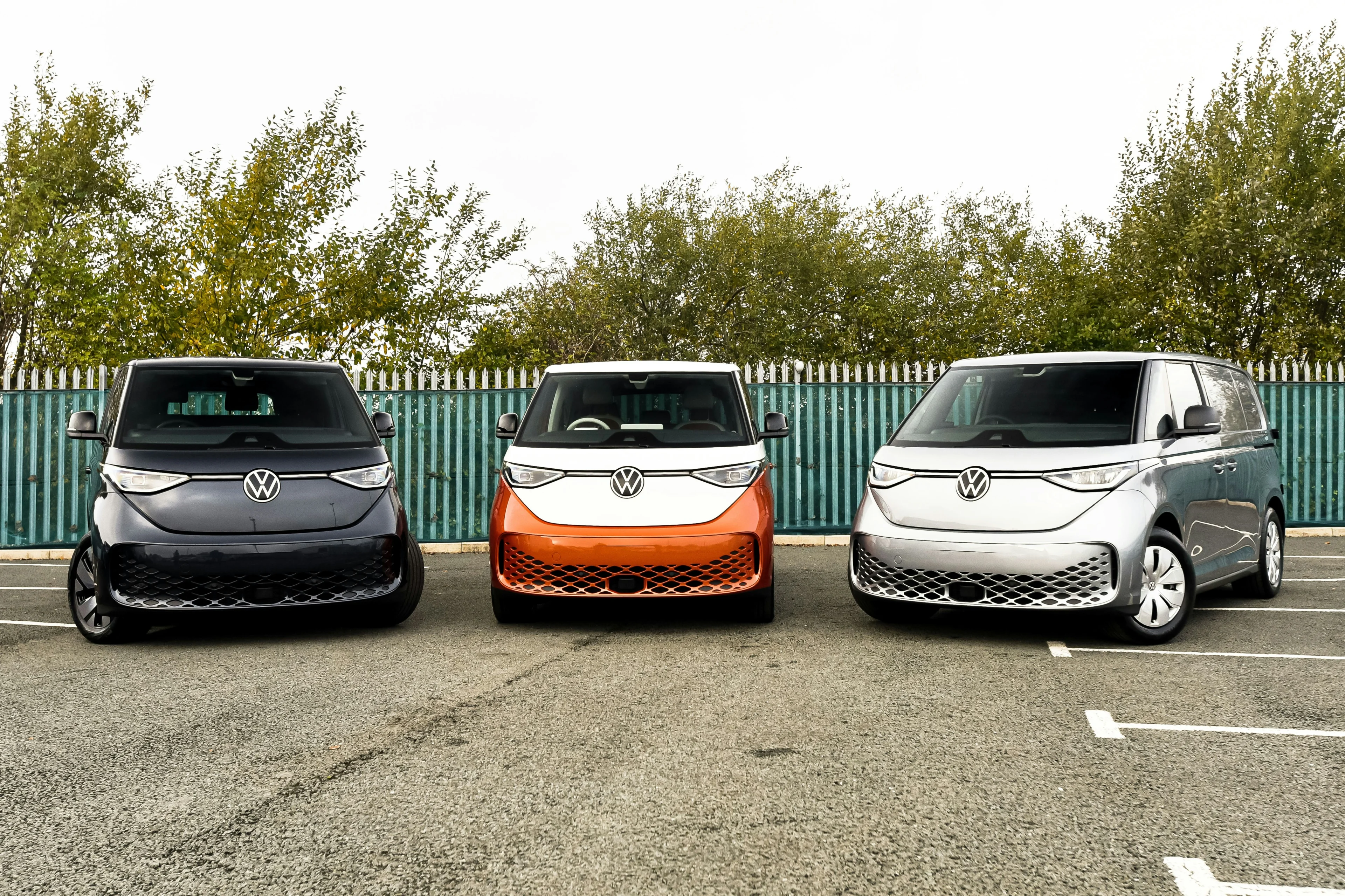
Singapore's transition to electric vehicles is accelerating. The LTA has set a target to phase out internal combustion engine vehicles by 2040, and the number of EVs and hybrids on Singapore roads is growing year on year. The question for independent workshops is not whether to prepare for electric car servicing — it's when. The workshops that invest in EV capability now will be well-positioned to capture a growing and loyal customer base. Those that don't risk watching their regular customers drive past to an authorised service centre.
What EV Servicing Actually Involves
There's a common misconception that electric cars require almost no servicing. While it's true that EVs don't need oil changes or timing belt replacements, they still require regular attention. Brakes, tyres, suspension, air conditioning, coolant systems (for battery thermal management), and cabin air filters all need servicing on a schedule. Battery health checks are increasingly in demand as the EV fleet ages. For hybrid vehicles, the picture is even broader — you're servicing both an electric drivetrain and a conventional petrol engine.
- Tyre wear and rotation (EVs are heavier and wear tyres faster)
- Brake fluid replacement (EVs still use hydraulic brakes alongside regenerative braking)
- Air conditioning service and recharge (critical in Singapore's tropical climate)
- Coolant system checks for high-voltage battery thermal management
- Cabin air filter replacement
- High-voltage battery health check and range assessment
- Software updates and diagnostic scanning (EV-specific tools required)
- For hybrids: full traditional service items plus hybrid-specific checks
The Training Investment: What You Need
Working on high-voltage vehicle systems — the battery, inverter, and electric motor — requires specialist training. This is non-negotiable from a safety standpoint. In Singapore, the Institute of Technical Education (ITE) and various industry training providers offer EV and hybrid vehicle servicing courses. For most independent workshops starting out, getting at least one technician qualified in high-voltage safety and EV routine maintenance gives you the foundation to handle most customer needs safely.
- EV Awareness: Essential for all workshop staff who might encounter an EV, even if they're not working on it directly.
- EV Routine Maintenance: Covers safe working practices for non-high-voltage tasks — tyres, brakes, cabin filters on EVs.
- EV Inspection and Repair: The key qualification for workshops wanting to offer full EV servicing, including diagnostic work.
- High-Voltage Systems: For advanced battery and drivetrain work. Typically relevant for specialist EV workshops.
Equipment: What You Actually Need to Buy
Beyond training, there are equipment investments to consider. The good news is that you don't need to overhaul your entire workshop — many EV-specific tools are incremental additions to what you already have.
- EV-compatible diagnostics: Your current diagnostics tool may already cover popular EV models via software update. Check with your supplier.
- Insulated tools: A set of 1000V-rated insulated hand tools is required for any work near high-voltage components.
- HV safety equipment: Insulating gloves, face shield, and a high-voltage isolation procedure.
- Battery trolley or support stand: Useful for battery removal and inspection on some models.
- EV tyre equipment: Many EV tyres are run-flat or have foam noise inserts — ensure your tyre equipment can handle them.
Singapore EV Incentives: What Your Customers Are Experiencing
Singapore's LTA EV Early Adoption Incentive (EEAI) has supported EV uptake by providing rebates on the Additional Registration Fee (ARF) for qualifying electric cars. Combined with the EV Common Charger Grant and the expansion of public charging infrastructure through Shell Recharge and SP Group's EV charging network, the environment for EV ownership in Singapore is improving steadily. These new EV owners are your future service customers — being ready to welcome them now builds long-term loyalty.
Marketing Your EV Capability
Once you've invested in EV training and equipment, shout about it. EV owners are often anxious about finding a competent, trustworthy workshop — the perception that only authorised service centres can be trusted with an electric car is widespread but wrong. A workshop with qualified technicians, the right equipment, and a clear EV services listing on Car Spot can win customers who are actively looking for an independent alternative to authorised centre pricing.
Update your Car Spot profile to explicitly list your EV and hybrid services. Use language that resonates with EV owners: “certified EV technicians”, “battery health checks”, “hybrid servicing”. Car Spot's Services dashboard lets you add and categorise your services so they appear in the relevant searches.
Hybrid Cars: The Stepping Stone Most Workshops Miss
If a full EV capability feels like a big jump, start with hybrid servicing. Singapore has a significant fleet of hybrid vehicles — Toyota Prius, Lexus hybrids, and popular PHEV models make up a meaningful proportion of the electrified fleet. These vehicles require both traditional service items and some hybrid-specific work, and basic EV routine maintenance training is sufficient for most hybrid maintenance.