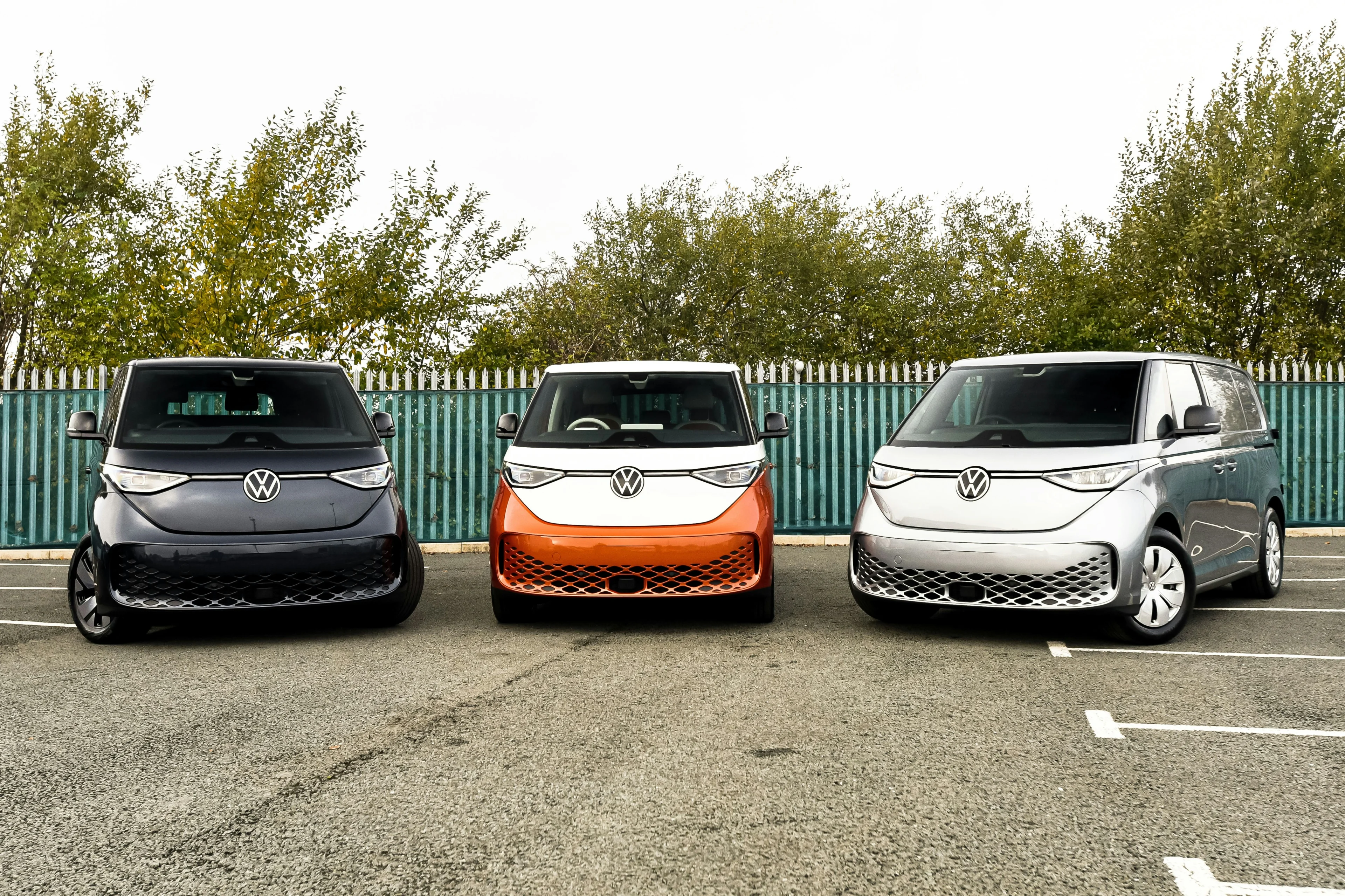
Thailand has set an ambitious target of making 30% of all vehicle production electric by 2030, and the government's EV3.0 and EV3.5 incentive programmes have already driven a significant surge in demand. Chinese brands—led by BYD, MG, and Neta—have captured a substantial share of Thailand's EV market, alongside established players like Toyota and Honda expanding their electrified lineups. For Thai dealers, understanding how to present EVs compellingly on Car Spot and address buyer concerns confidently is increasingly important.
Thailand's EV Incentive Programmes
The Thai government has implemented phased EV incentive programmes to accelerate adoption. The EV3.5 scheme (covering 2024–2027) offers import duty and excise duty reductions for EV manufacturers that commit to local production. As a dealer, understanding the tax benefits and subsidy eligibility for vehicles you stock allows you to explain the true cost of ownership to buyers—and that conversation is often what converts a hesitant buyer into a purchaser.
EV-Specific Fields to Complete on Car Spot
Car Spot's listing form includes dedicated EV fields that buyers specifically filter by. Completing these fields accurately ensures your EV listings appear in relevant searches and give buyers the data they need to make a decision.
- Battery capacity (kWh): The usable battery size, not the gross capacity.
- Range (km): Use the WLTP or NEDC figure stated in the vehicle specification sheet. Be clear about which testing standard the figure is based on.
- Charging speed (kW): Specify both AC (on-board charger) and DC (fast charge) capabilities.
- Connector type: CCS2, CHAdeMO, or Type 2 AC—relevant for buyers planning their home charging setup.
- Warranty status: Battery warranty information is a key purchase decision factor for EV buyers in Thailand.
Addressing the Top EV Concerns of Thai Buyers
Thai buyers considering an EV—especially for the first time—commonly have concerns around range, charging infrastructure, battery longevity, and resale value. Preparing clear, factual answers to these questions in your listing descriptions and in conversations will significantly increase conversion rates.
- Range anxiety: For most urban Thai buyers in Bangkok and major cities, a real-world range of 300–400 km is more than sufficient. Acknowledge the concern and provide practical context.
- Charging infrastructure: Thailand's DC fast charge network is expanding rapidly, with PTT and EGAT networks growing. Reference the nearest charging points to your showroom location.
- Battery degradation: Explain the manufacturer battery warranty (most offer 8 years / 160,000 km). Share any battery health data available for used EVs.
- Resale value: The EV resale market is still developing in Thailand. Be honest about current uncertainty while pointing to the growing installed base as a positive signal.
Selling Used EVs: Additional Considerations
The used EV market in Thailand is still young, which means buyers of pre-owned EVs have fewer reference points. Providing a battery health report from an authorised service centre, along with transparent documentation of any warranty transfer, will significantly increase buyer confidence and support a stronger asking price.