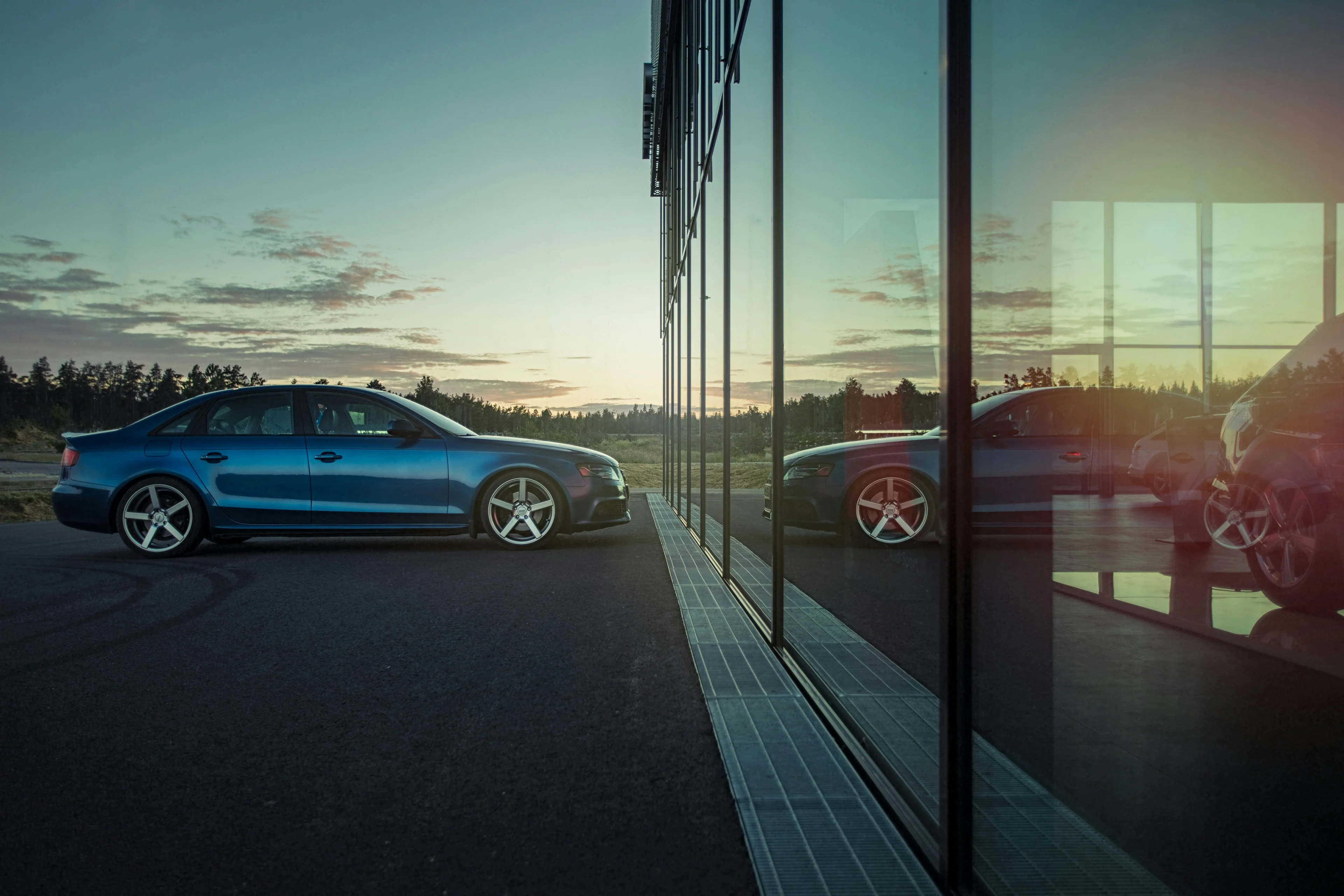
Selling an electric or hybrid car privately in India is still relatively new territory, but the market is growing fast. Government schemes like FAME II and the newer PM E-Drive have driven EV adoption, and a pool of well-informed second-hand EV buyers is emerging—particularly in cities like Delhi, Bengaluru, Mumbai, and Hyderabad. These buyers understand battery health, real-world range in Indian conditions, and the practicalities of home charging. Position your car well, and you'll achieve a significantly better price than any dealer will offer.
Battery Health: The Question Every EV Buyer Will Ask
The battery is the most expensive component in an EV and the biggest source of buyer anxiety. According to Geotab, the average EV battery degrades by around 2.3% per year. In India's climate—with high ambient temperatures in summer across much of the country—thermal management performance is worth discussing. Cars that have been garaged and charged in cooler environments tend to show better battery longevity.
- Check your State of Health (SOH): An OBD2 diagnostic tool or authorised service centre will give you the precise battery health figure. For popular models like the Tata Nexon EV or Nexon EV Max, authorised Tata service centres can provide a battery diagnostic.
- Get a battery health report: Including a professional diagnostic report in your listing removes the biggest barrier to purchase. In a market where used EV buyers are still building trust, this transparency is a significant competitive advantage.
- Charging history: India's DC fast charging network uses Type 2 + CCS2, with CHAdeMO available at some locations, and the Bharat DC-001 standard is present in some older public chargers. If you've primarily used home AC charging (Type 2), mention it—it's positive for battery health.
Real-World Range in Indian Conditions
WLTP figures are the standard reference in India, but real-world range in Indian driving conditions—urban stop-start traffic, air conditioning running in heat, and highway driving on varied road surfaces—can differ from laboratory figures. Be honest about your typical range. 'I typically get 250–280 km in city driving with AC on, and around 200–220 km on the highway' is the kind of specific, honest information that builds buyer confidence.
Green Number Plate and RC Transfer
Electric vehicles in India carry a distinctive green number plate—a key identifier for EV status. The transfer of ownership involves the Registration Certificate (RC), which must be transferred at the relevant RTO (Regional Transport Office) in the state where the vehicle is registered. The standard transfer forms are Form 29 (notice of transfer) and Form 30 (report of transfer). Both buyer and seller are required to complete and submit these forms. The process varies slightly by state, so check with your local RTO for current requirements. Ensure any outstanding road tax or challan payments are cleared before initiating the transfer.
FAME II and PM E-Drive: What Sellers Should Know
India's FAME II (Faster Adoption and Manufacturing of Electric Vehicles) scheme and the newer PM E-Drive subsidy programme applied to new EV purchases, not used car sales. If your car was purchased with a FAME II or PM E-Drive subsidy, this is part of its history and should be disclosed. Buyers may ask whether the subsidy has any strings attached to resale—in most cases it does not for passenger vehicles after a reasonable holding period, but it's worth confirming with the scheme terms for your specific vehicle.
Warranty, Service History, and Paperwork
- Battery warranty: Most manufacturers offer a separate 8-year/160,000 km warranty (or equivalent) on the high-voltage battery. If yours is still active, highlight it prominently—it's a major reassurance in a market where battery replacement costs are a significant concern.
- Service history: Authorised service centre records are highly valued by Indian buyers. A full service history from the manufacturer's network carries significant weight.
- Insurance transfer: Vehicle insurance must be transferred to the new owner at the time of sale. Both parties should be aware of the process, which is typically handled by the insurer.
Home Charging and Infrastructure
Home charging in India typically uses a standard 15-amp socket or a dedicated AC wallbox (Type 2). If you've had a wallbox installed, it may or may not be part of the sale—be clear in your listing. Public charging infrastructure is expanding rapidly in major cities, but still limited in smaller towns. Be honest with buyers about the charging reality in your area and the car's typical charging routine.
Why Selling Privately Pays Off for EV Owners
Dealers in India make conservative offers on used EVs—the market is still maturing and dealers hedge for battery uncertainty. Private buyers who understand battery health and are looking to save on the new car premium are willing to pay more for a well-documented, genuinely maintained example. As-is principle applies to private sales; full disclosure upfront protects you and builds the trust that closes a deal.
How car‑spot Helps You Sell Your EV or Hybrid
EV listings need more detail than most. car‑spot gives you the tools to present that detail clearly and credibly to Indian buyers.
- Specs clearly presented: Battery size, motor power, WLTP range, and green number plate status—all presented clearly for buyers.
- Feature-to-Photo Highlighting: Link "battery health report included," "home wallbox available," or "full service history" directly to photos—turning claims into evidence.
- AI Description Generator: Describe your EV's real-world range and charging setup, and the AI crafts a detailed, honest description that answers the questions Indian buyers actually ask.
- Privacy-first contact: Your phone number and email are never shown. Buyers submit their own details when they're genuinely interested—filtering out casual enquiries.
- Free listings, no pressure: 7 days free, with optional extensions. No need to rush to a dealer's low offer.