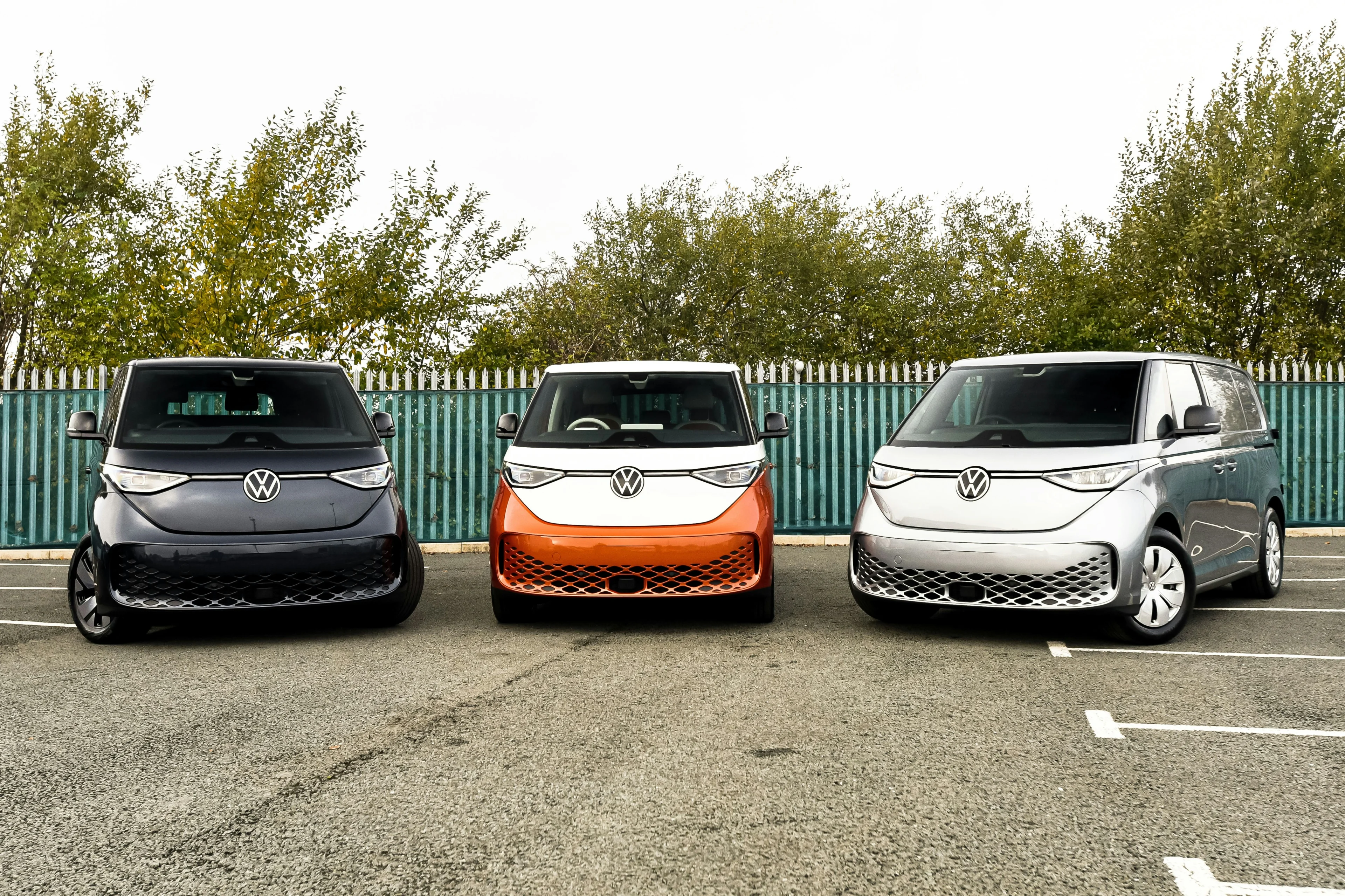
Electric and hybrid vehicle sales in New Zealand are growing steadily. While the Clean Car Discount scheme was discontinued in 2023, New Zealand still has a growing fleet of EVs and hybrids on its roads, and ongoing Clean Car Standard requirements continue to shape the new vehicle market. For dealers, this represents a significant opportunity—but it also requires a different approach to listing and selling. EV buyers research more thoroughly than traditional buyers, they ask different questions, and they have specific information needs that a generic listing template simply does not address.
This guide covers everything New Zealand car dealers need to know about listing and selling electric and hybrid vehicles effectively—from the data fields buyers expect to see through to handling common objections about range. We also explain how Car Spot's dedicated EV listing fields make it easier to present this information clearly.
Why Electric Car Buyers Are Different
Buyers considering an electric or hybrid vehicle are, on average, more research-led than buyers of traditional petrol or diesel cars. They have typically already compared models extensively online and arrive at a listing with a specific set of questions. If those questions are not answered by the listing itself, conversion rates drop sharply.
The core questions EV buyers need answered before making an enquiry are:
- What is the real-world driving range?
- How large is the battery (kWh)?
- How long does it take to charge from 0–80% and 0–100%?
- What charge speeds does it support (AC/DC, max kW)?
- Is the battery under warranty or has it been health-checked?
- What is the software version / does it support over-the-air updates?
- Has the car been used primarily for motorway or urban driving?
The EV Data Fields That Drive Enquiries
Standard listing templates were designed for petrol and diesel vehicles. They were not built to accommodate the specific data points that electric car buyers need. This is why so many dealer EV listings underperform—buyers are being asked to enquire before they have the basic information they need to decide whether the vehicle is suitable.
Car Spot includes dedicated EV listing fields so that dealers can populate exactly the information buyers are looking for. These fields are prominently displayed on EV listings, making the buying decision significantly easier.
How to Present Range Accurately
Range anxiety remains one of the most common barriers to EV purchase. Be transparent and specific. Always quote the official WLTP or manufacturer range figure and, where possible, include an honest note about real-world range based on the vehicle's usage history.
- State the official rated range figure clearly
- Note whether the vehicle has primarily done motorway or urban km (this affects battery efficiency)
- If you have access to battery health data, include the current state of health percentage
- Avoid vague claims like "excellent range" without a supporting figure
Charging Information Buyers Expect to See
Charging capability varies significantly between EV models and generations. A buyer choosing between two similar vehicles will often make their decision based on charge speed compatibility and home charging options.
- Maximum AC charge speed (kW) and connector type (Type 1, Type 2)
- Maximum DC rapid charge speed (kW) and connector type (CCS, CHAdeMO)
- Estimated time to charge from 10–80% on a rapid charger
- Whether a home charge cable and granny cable are included
- Smart charging capability (off-peak scheduling)
Handling the Battery Warranty Question
Battery warranty is a significant concern for used EV buyers. If the vehicle's original manufacturer battery warranty is still active, state this prominently. Most manufacturers offer an 8-year or 160,000 km battery warranty—buyers who know the remaining term are far more likely to proceed with confidence.
Japanese Import EVs: A New Zealand Consideration
New Zealand has a significant market for Japanese-import EVs, particularly Nissan Leafs of various generations. For import EVs, battery health information is especially important as older batteries may have degraded from their original range. Including a battery health report from a specialist tool gives buyers confidence and can justify a premium price.
Listing Hybrid Vehicles Effectively
Hybrid vehicles are extremely common in New Zealand, particularly Japanese-import Toyota Prius, Aqua, and other hybrid models. Your listing should clearly state which type of hybrid the vehicle is, as this affects charging requirements and fuel savings.
- State the hybrid type clearly: MHEV, HEV, or PHEV
- For PHEVs: include the electric-only range
- State whether a charge cable is included
- Include the petrol engine specification alongside the electric motor output
Responding to EV Enquiries Effectively
When an EV buyer makes an enquiry via Car Spot, be prepared to answer follow-up questions around home charger installation, public charging network coverage in New Zealand (ChargeNet NZ, Tesla Supercharger), and running costs. Dealers who can speak confidently to these topics close significantly more EV sales.